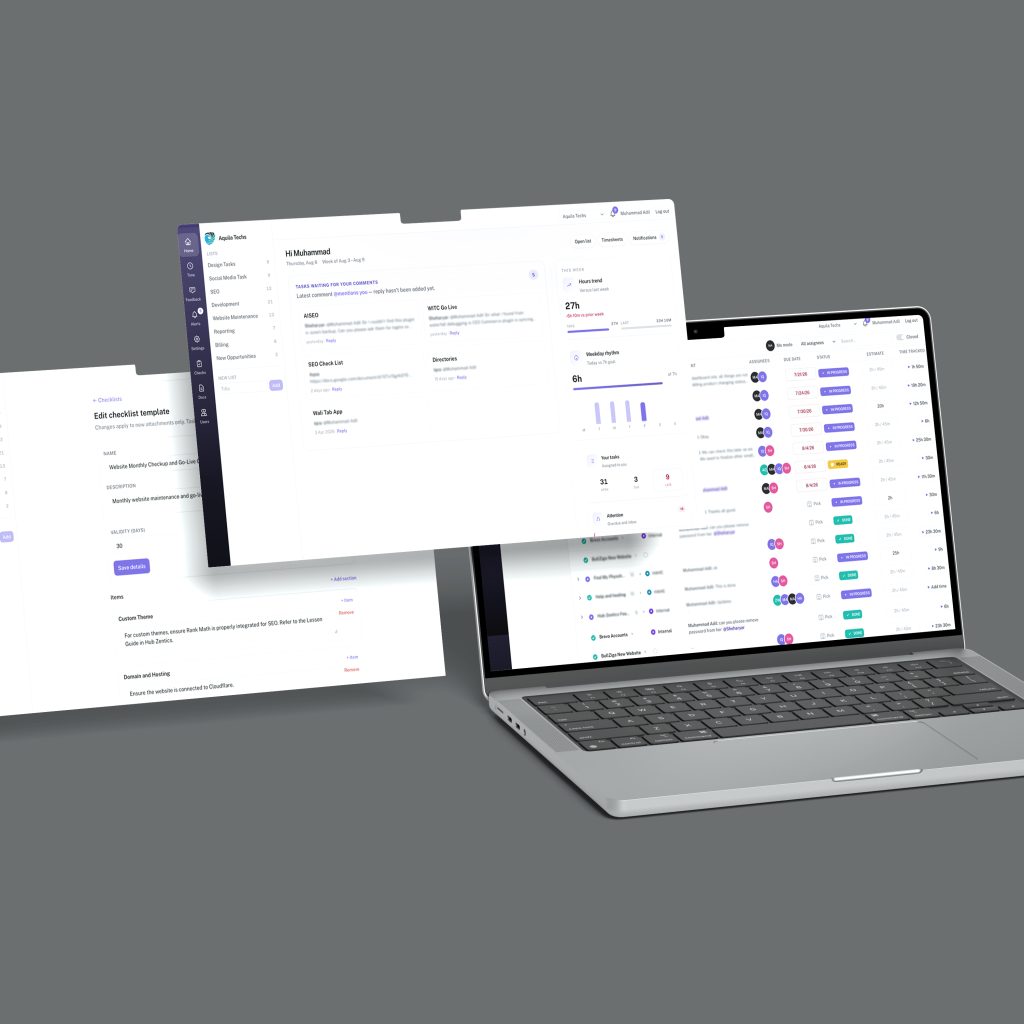
SaaS development: the approach and scope
A SaaS product needs a useful workflow, reliable foundations and a realistic boundary for its first release. Adding more features before those decisions are clear can make the product harder to launch and maintain.
I’m Muhammad Adil, a Sydney-based developer building custom web platforms. I work with you to define the product, turn its requirements into development milestones and plan the operational responsibilities that continue after launch.
Discuss your SaaS product · Explore the Hub project
Define the smallest complete product
The aim of an MVP is a usable end-to-end experience for a defined audience. We identify the customer, the central task and what must happen before and after that task. Secondary features can then be prioritised against a coherent first release.
A useful scope also names what will not be included yet. That keeps development decisions tied to customer needs rather than a growing list of possible features.
Foundations that deserve early decisions
Accounts and permissions
Who can access the product, what can they do and how are organisations or workspaces separated? Permissions affect the data model, interface and tests; they should not be left until the final screens are built.
Data and integrations
We establish where information comes from, which system owns it and what happens when a connection fails. Existing data migration and API limitations can materially affect the work.
Billing and operations
If the product needs subscriptions or usage-based charging, those flows belong in the scope. Deployment, backups, monitoring and support ownership also need named responsibilities.
A relevant product example
Hub project management brings workspaces, tasks, files and team collaboration into a custom web platform. Explore the published project details to see the kind of workflow a SaaS build can bring together.
Your product will have its own constraints. We use relevant experience to inform the decisions rather than treating a previous build as a promise of identical scope or results.
Build, review and prepare for use
We agree milestones and acceptance criteria, implement the core journey and review working increments. Testing covers the agreed user roles and workflows, including failure cases. Handover covers access, deployment knowledge and the maintenance arrangements defined in the proposal.
The estimate depends on workflow complexity, permissions, integrations, migration and the state of any existing prototype. Code ownership and third-party costs should be settled before development begins.